Allen HOA Management



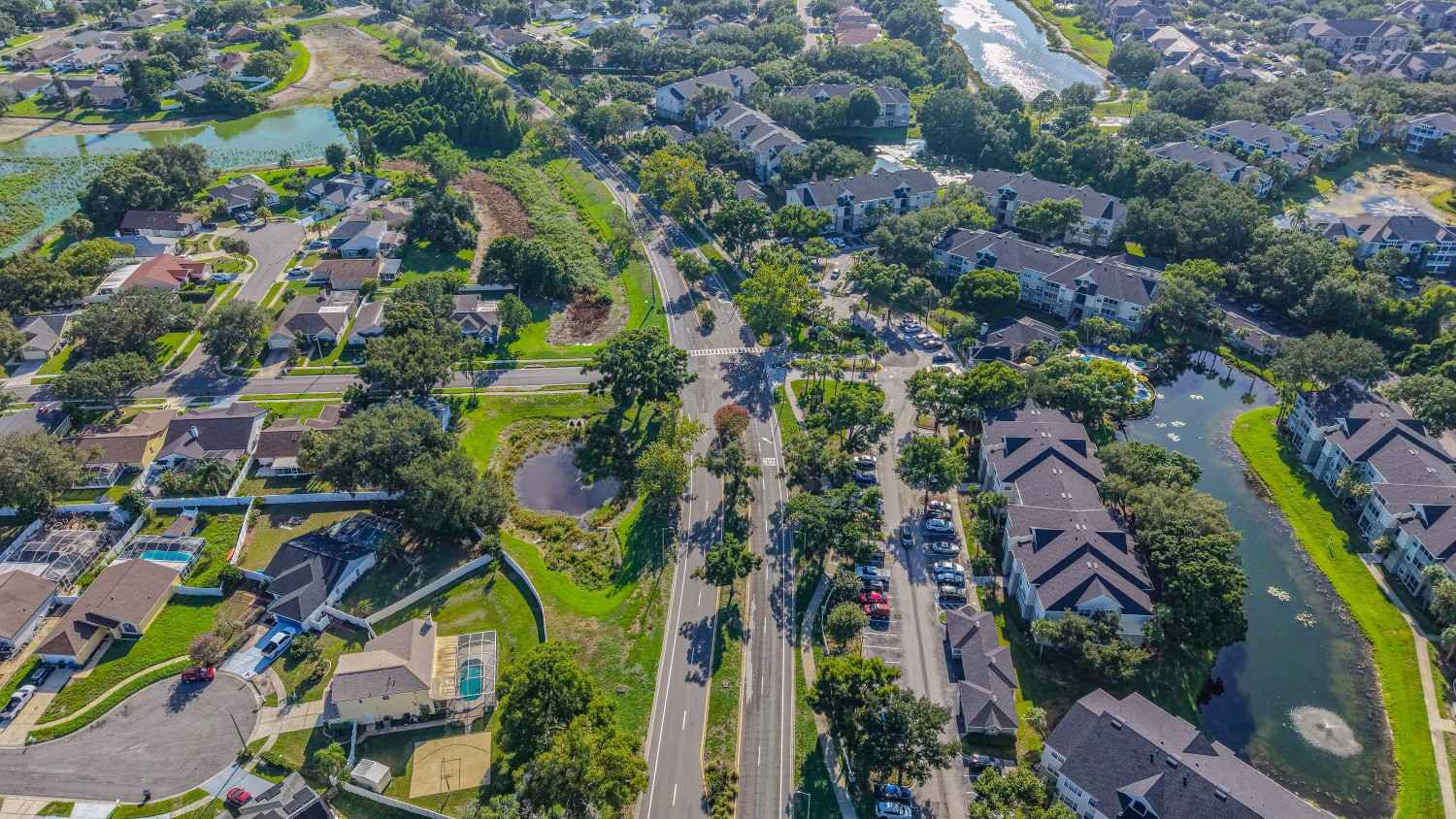
Allen packs a lot into 26 square miles. Twin Creeks alone has an Arnold Palmer golf course running through it, and Montgomery Farm, Watters Crossing, and Star Creek all sit within a few minutes of each other, each one built out mostly between the late 1990s and the 2010s. That’s a tighter window than a lot of DFW suburbs, which means Allen’s HOAs are hitting their capital repair years at close to the same time instead of staggered. A board at Watters Crossing dealing with original pool equipment from the ’90s isn’t managing a fundamentally different problem than a board a mile away at Montgomery Farm. They’re often just a few years apart on the same clock.
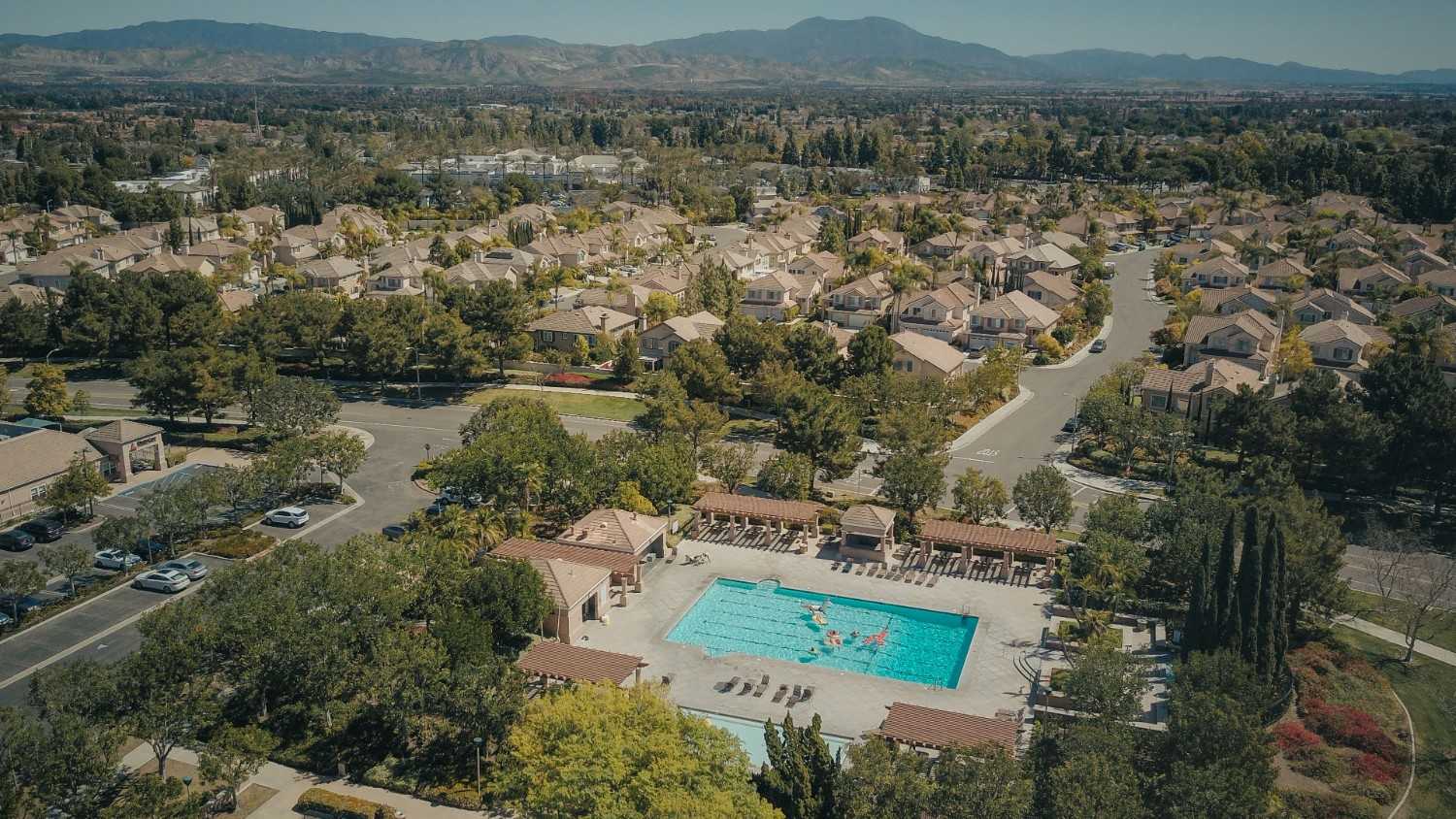
We’ve managed community associations across Texas for more than twenty years, and Allen’s density is part of what makes it distinct. This is a city where a resident can walk out of one HOA’s trail system and directly into another’s without noticing the boundary, thanks to more than 80 miles of connected paths running through the city. We manage condo associations, townhome communities, and large master-planned developments here, and the amenity bar in Allen tends to run high across all of them because residents can see exactly what the community two streets over is offering.
What Allen Boards Usually Face
Allen doesn’t have much land left to build on, and that changes what a board is actually up against. Most of the city’s big master-planned communities went up within about fifteen years of each other. So when a pool needs resurfacing, or a clubhouse needs new HVAC, it’s rarely just one neighborhood dealing with it. Three or four boards across town are often staring down the same repair in the same season, all chasing the same short list of contractors who can actually do the work. Wait too long to plan for it, and there’s a real chance every reputable vendor in Collin County is already booked solid.
Growth along the Highway 121 corridor is changing what borders some of these communities. Watters Creek Village recently changed ownership and is adding new tenants, and mixed-use projects like The Farm in Allen are bringing thousands of new residential units, office space, and retail into areas that used to be open land next to established HOAs. That kind of development brings more traffic and more foot activity right up against neighborhoods that weren’t built with it in mind, and boards are increasingly fielding questions from residents about how it affects everything from noise to property access.
A well-run, desirable city doesn’t get a pass on Texas HOA law, and Allen’s reputation for tidy neighborhoods and strong schools has nothing to do with what state statute actually requires. Open meeting procedure has to be followed to the letter, or a vote taken at that meeting can be challenged after the fact. Record requests carry fixed timelines and specific rules for what has to be produced. Collections and board elections both run on legal processes that don’t bend for a community with a good track record. We’ve seen boards assume a strong HOA reputation buys them some slack here, and that assumption is usually what gets them into trouble.
How We Work With Allen Communities
Three things tend to come up in almost every conversation we have with an Allen board: getting the finances into a state they can actually trust, keeping the physical property in good shape, and remaining ahead of legal requirements instead of reacting to them. Here’s how we handle each one.

Handling Association Finances
Star Creek has a little over 900 homes. That means over 900 assessment payments every month. It also means there is an entirely separate ledger tracking pool repairs, landscaping invoices, insurance premiums, and whatever’s supposed to sit untouched in the reserve account for the next big project. A volunteer treasurer with a full-time job somewhere else can lose the thread fast.
Because so many Allen communities were built in roughly the same era, reserve planning here carries a particular kind of urgency. A clubhouse or pool system that opened in 1999 doesn’t have decades left before it needs real capital work, and if three or four neighboring HOAs are all facing that same timeline, the contractors and materials available to handle it get scarcer fast. We bring in professionals to assess what’s actually wearing out and price the real cost of replacing it now, rather than relying on an outdated study that assumes prices from a decade ago still apply.

Taking Care of Facilities and Vendors
The shared property in a homeowners association is really the collective investment of every owner, and it holds up a lot longer with regular attention than it does with reactive fixes. Small issues caught early stay cheap. Left alone, they don’t.
We put every property on a set inspection schedule so problems get flagged before they turn expensive. A minor drainage issue ignored for a season becomes a foundation problem. A small roof leak becomes water damage inside a unit. Getting ahead of it is almost always cheaper than fixing it after the fact.
We don’t send a contractor out to your property cold. Before anyone gets added to our Preferred Vendor Program, we check that their license and insurance are actually current, not expired three months ago and nobody noticed. We also call a couple of the other communities they’ve worked for and ask how the job actually went, not what the sales pitch said going in. Right now, with this many Allen HOAs all needing the same landscaping crews and pool techs at once, walking in with a list of vendors we already trust saves a board weeks it doesn’t have to spend.
Our team can tell you off the top of their heads which fence and gate contractors in Collin County actually fix a broken keypad within a day instead of stringing a board along for two weeks, and which irrigation companies show up for a scheduled repair instead of rescheduling it three times. That kind of thing doesn’t show up in an online listing or a five-star review. It comes from years of sending the same handful of vendors into dozens of Allen properties and watching, job after job, who actually delivers.

Remaining Compliant With Texas Law
Texas HOA law doesn’t come with an exception for well-run cities. A meeting that skips proper open-meeting procedure can be challenged later regardless of how smoothly it seemed to go. Records requests, collections notices, and elections each have specific legal requirements attached, and missing one tends to surface as a real problem months down the line, usually at the worst possible time. We manage these processes so boards aren’t left guessing at what the law actually requires.
Legislation affecting Texas HOAs moves through the state capitol every session, and we track it before it becomes law, not after. Our seat on the Texas Legislative Action Committee, part of our work with the Community Association Institute, puts someone from our team in the actual conversations where these bills get shaped. Allen boards we manage typically know a change is coming with enough lead time to plan for it instead of scrambling to comply the week it takes effect.
Most people who join an Allen HOA board have never read the Texas Property Code and don’t need to, because that’s part of what we’re there for. We sit down with new board members and go through what open meeting law actually requires day to day, since a lot of people assume posting an agenda is the whole obligation when it isn’t. On the insurance side, we pull the actual policy and check it against what the board thinks it has, because those two things don’t always match and the gap usually only shows up after a claim gets denied. Enforcement gets treated with the same level of care. A board that moves too fast on a violation notice can end up on the wrong side of an owner’s due process rights without realizing it, so we make sure the steps get followed in order. Records get kept to the standard Texas law sets, independent of whatever system a prior management company left behind.
Ready to Transform Your Community?
Stewardship isn’t just what we do—it’s who we are. Connect with us to see our unique approach in action.
Technology That Works
A lot of Allen’s neighborhoods are gated, so the portal has to do more than just take a payment. Homeowners use it to open a gate code request, book the clubhouse for a Saturday party, or file an architectural request for a new fence, all without picking up the phone. Board members log into a separate side of that same system. Somebody can check the reserve fund balance from their desk at lunch, or pull up the current governing documents before answering a resident’s question, without waiting on an email back from us.
For questions that come up constantly, what’s the guest parking policy, is the pool open this weekend, what’s my current balance, we’ve built an AI tool into the portal that answers directly from the association’s actual governing documents. That keeps our team’s time focused on the situations that actually need a person to weigh in, which comes up often in a city this densely built.

Why Boards Choose WRMC
Twenty years of doing this work has shown us the difference between a management company that actually knows a community and one that’s just processing its paperwork, and board members figure out which one they’ve got pretty fast. Put people first and the property values, the retention, the resident satisfaction, all of it tends to follow on its own.
Allen isn’t a scaled-down version of Plano or McKinney, and it doesn’t need to be managed like one. Working across the DFW metro means we understand the specific pressure that comes with a compact, amenity-dense city where several major HOAs are all aging on nearly the same timeline. We measure success by whether the communities we already serve are actually well taken care of, not by how many new logos we can add in a year.
WRMC operates as a women-owned business under Andrea Willett, and her hands-on approach shapes how every manager, accountant, and team member works with boards and residents.
Allen’s HOAs are unusually close together, both physically and in terms of when they were built, and that creates real pressure most boards don’t see coming until it’s already on their doorstep. Whether you’re managing a condo building near the 121 corridor, a townhome section close to Watters Creek, or a master-planned neighborhood like Twin Creeks or Star Creek, we want to understand exactly what your board is dealing with before we propose anything. That’s what Stewardship by WRMC looks like for boards in Allen.
Request a proposal and let’s talk.
DEDICATED STEWARDS TO COMMUNITIES
At WRMC, we blend a boutique firm’s personalized service with an industry leader’s strengths and resources. We’re here to support you, build community, deliver dedicated stewardship, and ensure every detail is managed effectively. At WRMC, community isn’t just what we manage; it’s what we create and nurture.