Irving HOA Management
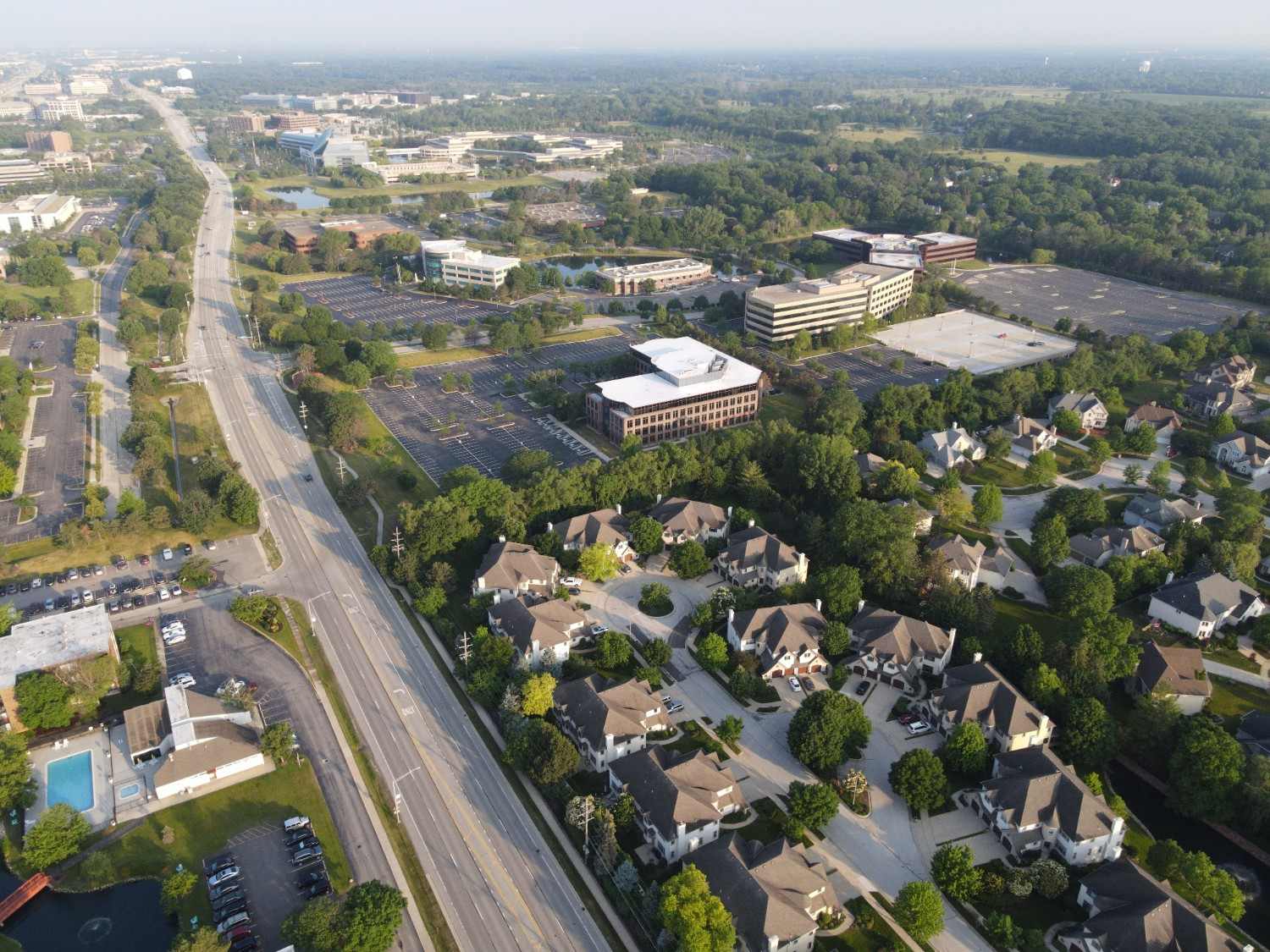


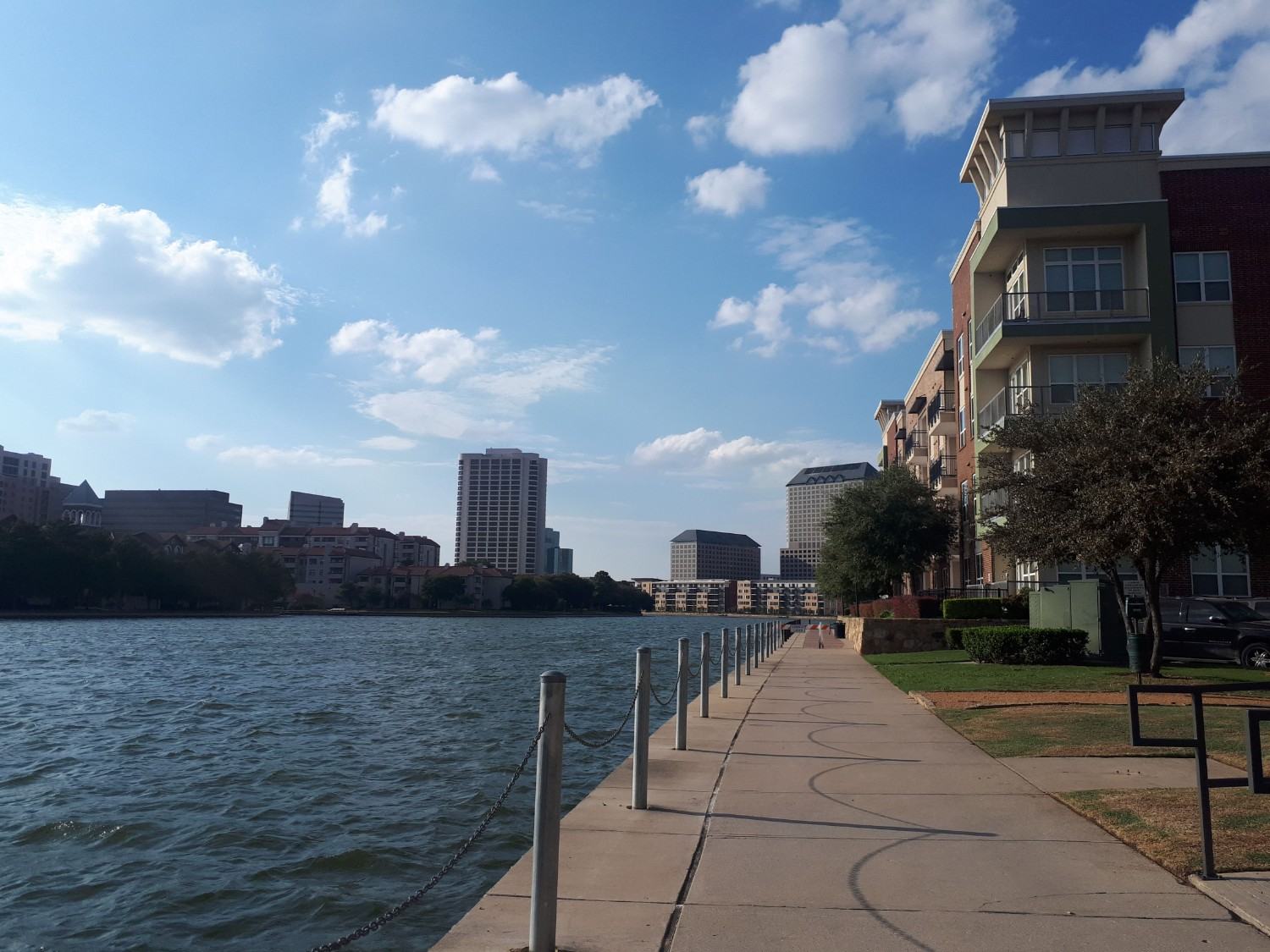
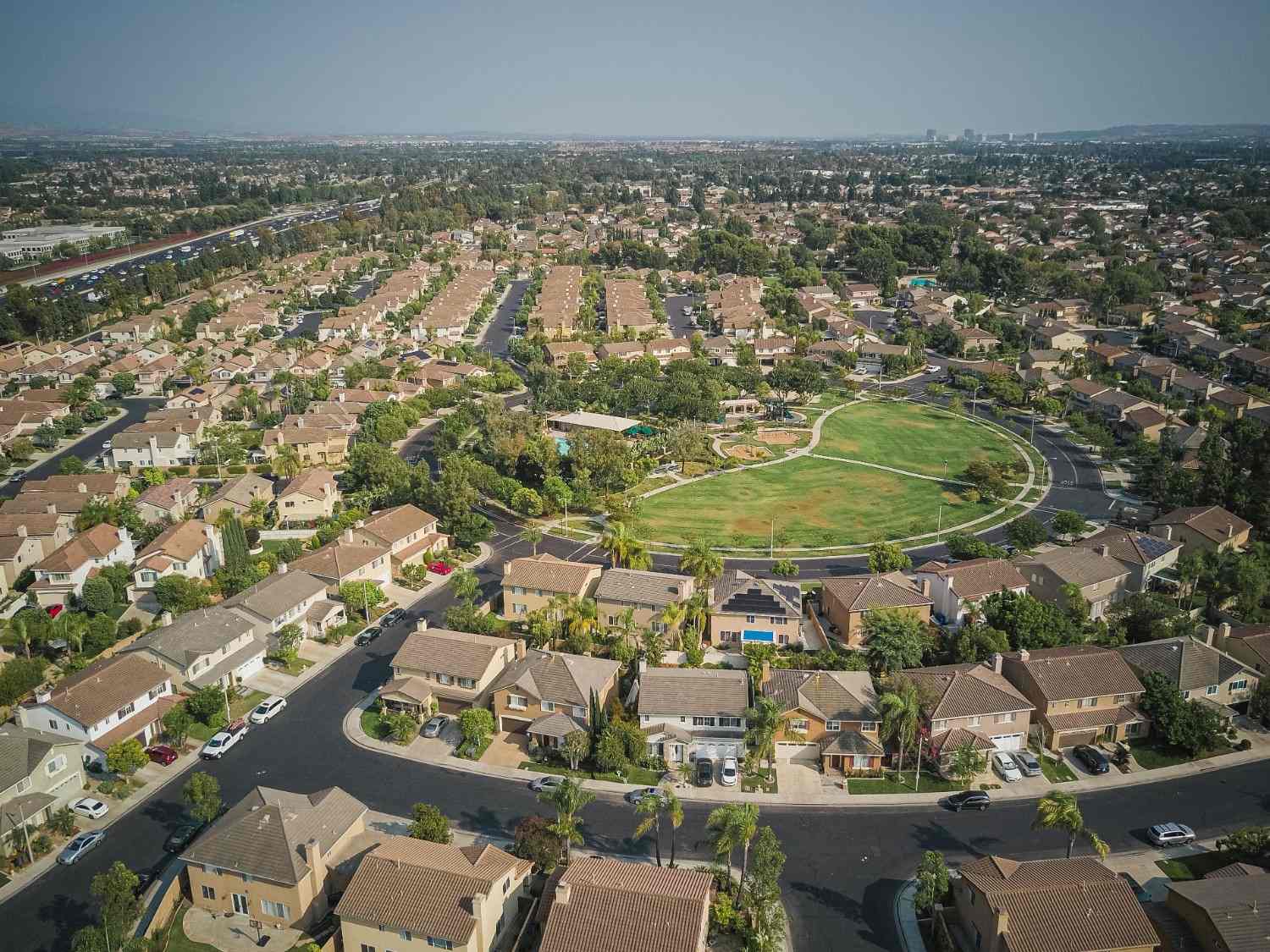
Neither of those looks anything like the older streets off Irving Boulevard, where brick ranch houses from the 60s and 70s sit on regular blocks with no water feature in sight. A board managing any one of these three areas is running a genuinely different operation than a board managing either of the other two, even though all three technically share the same city on an envelope.
We work with Texas associations across a wide range of property types, and no two Irving communities on our roster look alike. A high-rise condo board in the Urban Center is solving completely different problems than a Valley Ranch board managing detached homes along a canal trail. Understanding the specific property in front of us, not applying one process across the board, is where the real work starts.
What Irving Boards Are Up Against
Canals and lakes look great in a brochure, and they’re a real maintenance commitment once a board owns one. Erosion along the banks doesn’t wait for budget season, and neither does keeping the water from turning green by August. Finding a contractor who’s worked on a canal system before narrows the vendor list fast, since most landscape companies have never touched one. A board that’s never had to think about water features before Irving suddenly has an entirely new category of vendor to vet.
In some parts of Las Colinas, community governance comes with extra complexity that many boards don’t anticipate. A property may fall under the purview of its local HOA for daily operations while simultaneously answering to a master association that oversees shared development assets, such as common landscaping and canals. When these two boards hold conflicting priorities, a management team unfamiliar with this dual-layered framework can easily find itself navigating conflicting regulations that were never designed to coincide.
The high-rises around Lake Carolyn are new enough that age isn’t yet the issue, but they carry their own category of expensive failure points, mechanical systems that a single-family HOA never has to think about. Homes in the older sections near O’Connor Road and Irving Boulevard face a different kind of aging altogether, the ordinary replacement cycles any house built decades ago eventually runs into, whatever component happens to fail first. Both situations tend to end the same way for a board that didn’t plan ahead: a repair bill nobody set money aside for.
Residents in Irving’s older neighborhoods live within a short drive of a skyline that rivals downtown Dallas, minus the traffic. The Toyota Music Factory pulls in touring acts most nights of the week, and the Las Colinas Urban Center has restaurants that wouldn’t feel out of place in Uptown. A clubhouse that’s fallen behind on updates stands out hard against that backdrop. Distance to DFW Airport cuts both ways too: it’s a selling point for renters and buyers who travel constantly, and it’s also a source of noise complaints a board eventually has to address one way or another.
Why Mixed Use Property Management Requires Specialized Expertise
An Irving board is juggling more than the typical Texas association has to deal with, and it usually comes down to whatever extra layer that specific property carries. Here’s how that plays out with us involved.

Handling Association Finances
Money moves through an Irving association with its own quirks. A high-rise condo collects assessments that fund an elevator and parking garage maintenance contract most single-family HOAs never think about. A Las Colinas property might be paying dues into its own HOA and a separate assessment to the master association that maintains the canal system, two line items that need to stay clearly separated on every report a board sees.
Reports land on the 5th of every month, and they’re broken down by category, not just one bottom-line number. Say the landscaping line comes in $400 over what was budgeted for June. That gets a note explaining it was the extra irrigation repair after the June storms, not just a red number sitting there unexplained. If a board member wants the full ledger instead of the summary, they get it that day, not next week. Budget meetings happen with the board in the room going through real numbers together, not a finished PDF dropped in an inbox. And when an owner falls three months behind on dues, the same letter and the same 30-day notice go out whether that’s a $600 balance or a $6,000 one.
Reserve studies for an Irving property have to account for whatever that specific community owns, and that range is wider here than in most markets. A high-rise near the Urban Center is planning around elevator overhauls and structural work on the parking garage. A Valley Ranch HOA is planning around canal maintenance and an aging clubhouse. We send someone to physically inspect the property either way. They price the real cost of fixing what’s close to failing against current construction rates, and the reserve plan gets built around that number instead of a stale figure from years back.

Taking Care of Facilities and Vendors
A canal that doesn’t get inspected regularly can develop erosion problems that cost far more to fix than routine upkeep would have. That’s the version of deferred maintenance specific to Irving’s water-feature communities, and it sits alongside the more familiar kind: a roof or a parking structure nobody’s looked at closely enough in years.
What counts as a routine check varies quite a bit depending on what a manager is walking. At a high-rise, that means pulling elevator service logs monthly and checking the parking garage after heavy rain, since drainage problems there tend to surface fast and get expensive if they’re ignored. At a canal community, the equivalent routine involves watching the banks near the walking trails for erosion and keeping an eye on the aeration pumps so algae doesn’t take hold before the weather turns hot. The properties don’t resemble each other at all, but the underlying habit is the same everywhere: someone shows up on a schedule and looks closely, rather than finding out something’s wrong from a resident’s complaint.
Every contractor clears our Preferred Vendor Program before touching a property. That starts with confirming the license is current. We check the insurance against what it claims to cover rather than taking the certificate at face value. Then we call people who’ve hired that same contractor before and ask how the work went once the invoice came due. Once someone’s approved, we stay on the project until it’s finished, not just started.

Keeping Compliant With Texas Law
Good intentions don’t satisfy Texas HOA law any more than they do anywhere else, and a board that’s also answering to a master association has two sets of governing documents to get right instead of one.
We hold a leadership role on the Texas Legislative Action Committee through the Community Association Institute, which keeps us in the room while legislation affecting Irving associations is still being drafted, not reacting to it after the fact. Boards we work with hear about changes early enough to plan around them.
Ready to Transform Your Community?
Stewardship isn’t just what we do—it’s who we are. Connect with us to see our unique approach in action.
Our Advanced Technology
A board member logs into the portal and pulls up a financial report or a governing document directly, without playing phone tag with the office. Homeowners use the same login to pay dues or reach out to management outside business hours, no waiting on someone to pick up.
Most day-to-day questions never need a live person to answer them. An automated tool built into the portal searches the governing documents for that community and responds right away, freeing up real people for the questions that need judgment instead of a lookup.


Why Boards Choose WRMC
Long client relationships come down to treating an association like a real community, not an account number.
An Irving association needs a partner who understands what makes this market different rather than a generic description of DFW. That might mean a canal system most property managers have never touched, or a second governing body layered on top of the HOA itself. Working across the Dallas-Fort Worth metro means we’ve handled situations like that before, not guessed at them from a distance.
It doesn’t matter if your board runs a high-rise tower in the Urban Center or a townhome community along a Valley Ranch canal. We want to understand what you’re dealing with and where the community needs to be in five years. That’s Stewardship by WRMC in practice for boards here.
Request A Proposal to get started.
DEDICATED STEWARDS TO COMMUNITIES
At WRMC, we blend a boutique firm’s personalized service with an industry leader’s strengths and resources. We’re here to support you, build community, deliver dedicated stewardship, and ensure every detail is managed effectively. At WRMC, community isn’t just what we manage; it’s what we create and nurture.