Richardson HOA Management
Canyon Creek’s tree-lined streets look nothing like the condo buildings going up near CityLine, and neither one looks anything like the smaller HOA sections tucked behind Belt Line Road.

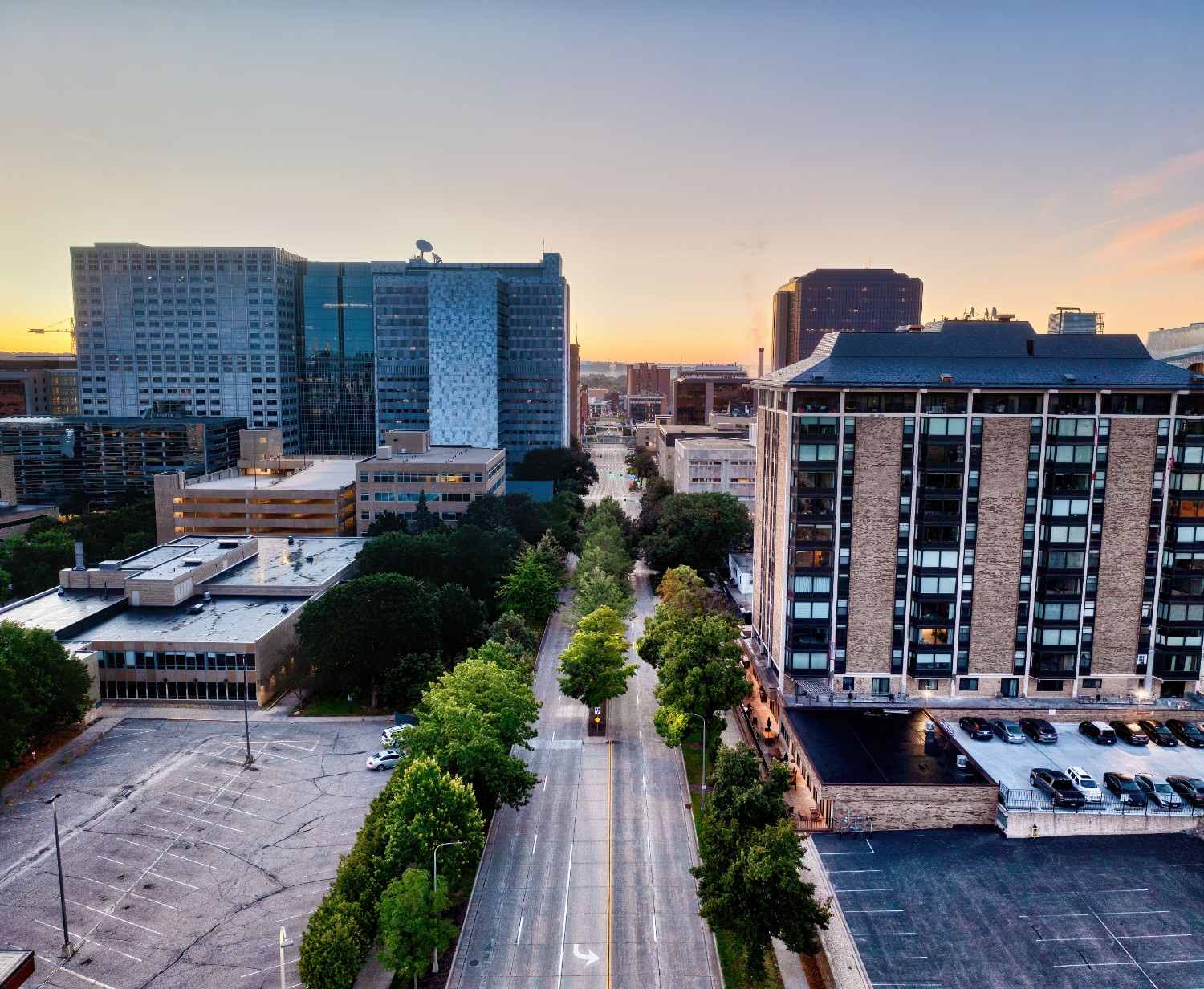

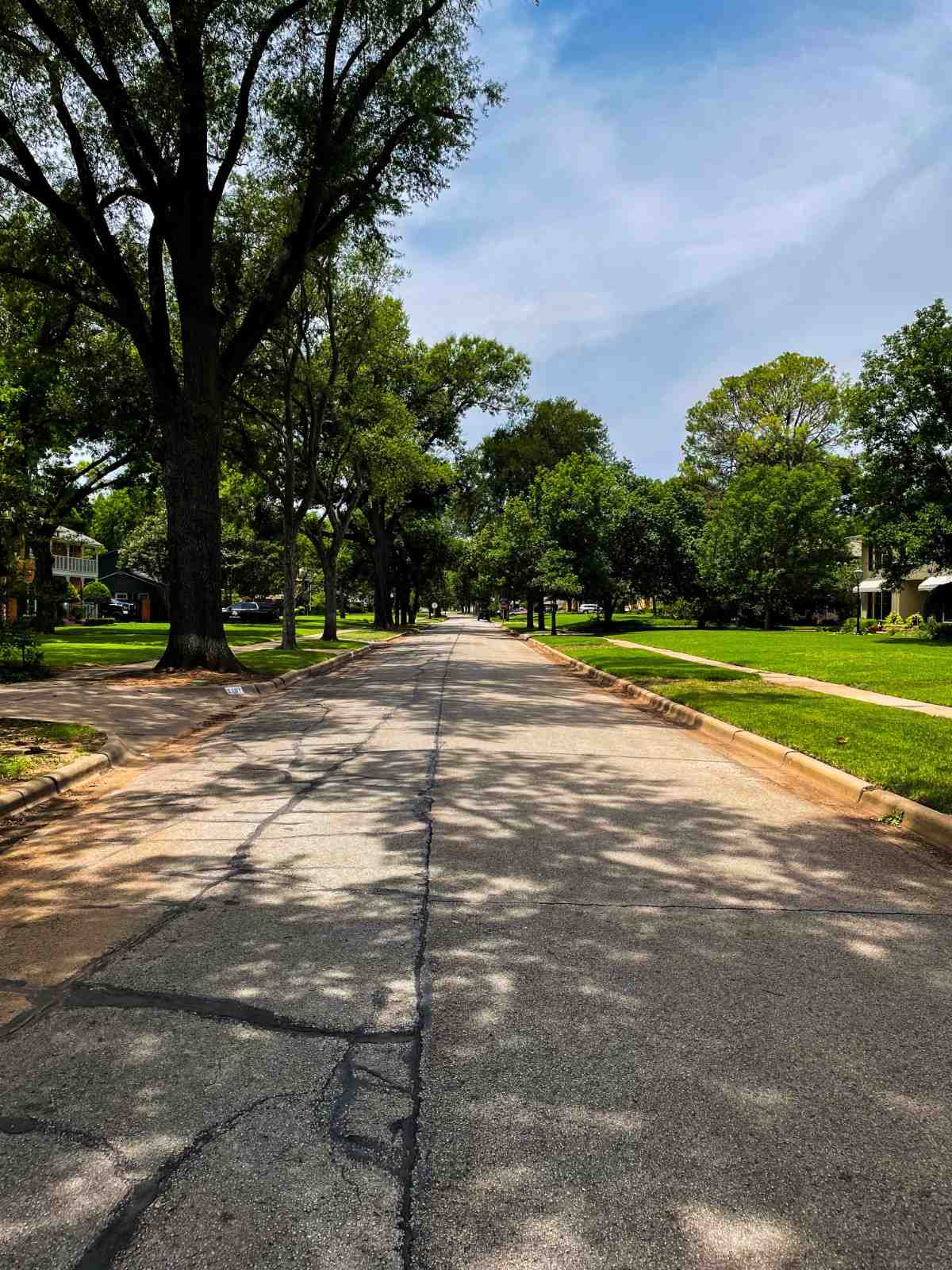
That’s Richardson in a nutshell: a lot of different property types packed into a city that isn’t very big. A board running one of those older single-family sections deals with a completely different set of problems than a board running a condo association near the corporate campuses off the Bush Turnpike, different budgets, different amenities, different everything. What tends to bring them to the same conversation with us is more specific than that: something on the property that needs real attention right now.
We manage Texas associations across a wide range of property types, and the Richardson properties in our portfolio don’t have much in common on paper. What we bring to each one does. We look at what’s actually happening on that specific property before deciding anything, and the plan we build reflects that property instead of a template pulled off a shelf.
What Richardson Boards Are Up Against
Land here is basically locked up, and Richardson isn’t adding subdivisions the way Prosper or Celina are further out. That scarcity keeps resale values strong, but it also means contractors have less reason to fight for your business. A roofer or a pool company already has a backlog of work lined up in a market this built out. A board that shops around on price alone often ends up at the bottom of somebody’s schedule.
Texas HOA law doesn’t change for a small association. For example, a nine-unit condo building follows the same open meeting rules as a five-hundred-home neighborhood, regardless of staffing or budget. Record requests carry a real deadline no matter how thin the volunteer bench is. Collections have to move through a required sequence before a lien is even an option. Richardson adds its own wrinkle on top of that: the Collin-Dallas county line runs close enough to the city that some streets end up zoned into Plano ISD instead of RISD, which means a rule one board assumes is standard doesn’t always apply to the board next door.
Aging infrastructure doesn’t wait for a convenient budget year either. Roofs, plumbing, and electrical systems across a lot of Richardson’s housing stock are hitting renewal periods at close to the same time. Pool equipment at the amenity-heavy communities tends to fail during the exact stretch when everyone’s using it hardest. Getting real bids takes time. Confirming that a contractor’s license and insurance actually hold up takes more time on top of that. Staying on top of a job so it doesn’t stall halfway through is its own ongoing task, one most volunteer boards don’t have the bandwidth for.
Residents notice the gap between an older community and what’s going up a few miles away. City Line’s offices and apartments look sharp. UT Dallas keeps pulling in a younger renter and buyer base. A clubhouse that hasn’t kept pace starts to feel dated by comparison, and paying dues with a paper check feels increasingly out of step with a city that’s rebuilt entire blocks around modern retail and corporate campuses.
How We Work With Richardson Communities
A Richardson board is asking us to do a job that used to fall to whoever had time and patience left over. Here’s how we handle it in practice.

Handling Association Finances
Money moving through an association gets complicated fast once there’s more than a handful of homes involved. Assessments come in from every household on roughly the same schedule. Landscaping, insurance, utilities, and supplier invoices go out on their own separate timelines. Somewhere in the middle of that, a board is also supposed to be setting aside reserves for whatever big project is coming in five or ten years, all while a few delinquent accounts complicate the picture further.
Reports go out on the same schedule every month, and they’re broken down enough that a board isn’t stuck squinting at one lump sum. Anything that drifts noticeably off budget gets flagged with an explanation attached, not just a number in red. A board member who wants the full ledger instead of the summary gets it right away, no waiting on a special request. Budget season is a working conversation with the board, not a finished document dropped in their inbox. And collections follow the same process every time, regardless of who the account belongs to.
Reserve planning depends entirely on what a community owns, since no two properties are carrying the same set of systems or the same timeline for replacing them. We send someone out to physically walk the property rather than working off assumptions. What’s actually close to failing gets flagged on-site, and the eventual cost gets priced against current construction rates instead of a number that stopped being accurate a long time ago.

Taking Care of Facilities and Vendors
A clubhouse roof that doesn’t get inspected for a year or two turns a two-thousand-dollar patch job into a twenty-thousand-dollar replacement. That’s the math behind most of what we do with Richardson’s common property. We catch problems while they’re still cheap, and we only hire contractors who actually show up when they say they will.
Properties stay on a regular inspection schedule so issues get caught while they’re still cheap to fix. A cracked slab nobody notices for a year turns into a full foundation repair. A slow roof leak that goes unnoticed for a season ends up taking out drywall and insulation along with the shingles.
Every contractor we bring onto a property has to clear our Preferred Vendor Program first, and that starts with the license. We don’t just take a certificate’s word on insurance either. We call the carrier to confirm it actually covers what it claims. Then we track down people who’ve hired that same contractor before and ask how the job went once the invoice was paid, not how it looked walking in the door. Once someone’s approved, we stay involved through the project so it doesn’t quietly drift past its deadline.

Keeping Compliant With Texas Law
Good intentions don’t satisfy Texas HOA law, and neither does assuming last year’s rules still apply.
We hold a leadership role on the Texas Legislative Action Committee through the Community Association Institute, which puts us in the room while legislation affecting Richardson associations is still being written, not scrambling to react once it’s already signed. Boards we work with hear about changes with enough lead time to actually prepare.
New board members get walked through fiduciary duty and Texas open meeting rules in their first ninety days, then it’s on to the paperwork specific to their own community. A Canyon Creek Country Club board deals with country club bylaws that a Richardson Heights HOA never touches. When we read an insurance policy for a client, we’re checking actual coverage limits, not just confirming a policy exists. If an owner ever disputes an enforcement decision, there’s already a second person who signed off on it before the letter went out.
Ready to Transform Your Community?
Stewardship isn’t just what we do—it’s who we are. Connect with us to see our unique approach in action.
Our Advanced Technology
A board member logs into the portal and usually finds whatever they’re after in a couple of clicks, whether that’s a financial report or a governing document, instead of waiting on an email back from the office. Homeowners use the same login to pay an assessment or send management a message without calling in during business hours.
Most questions that come through the portal get answered right away by an automated tool that searches the association’s actual governing documents, which frees our team to spend real time on the things that actually need a person’s judgment.
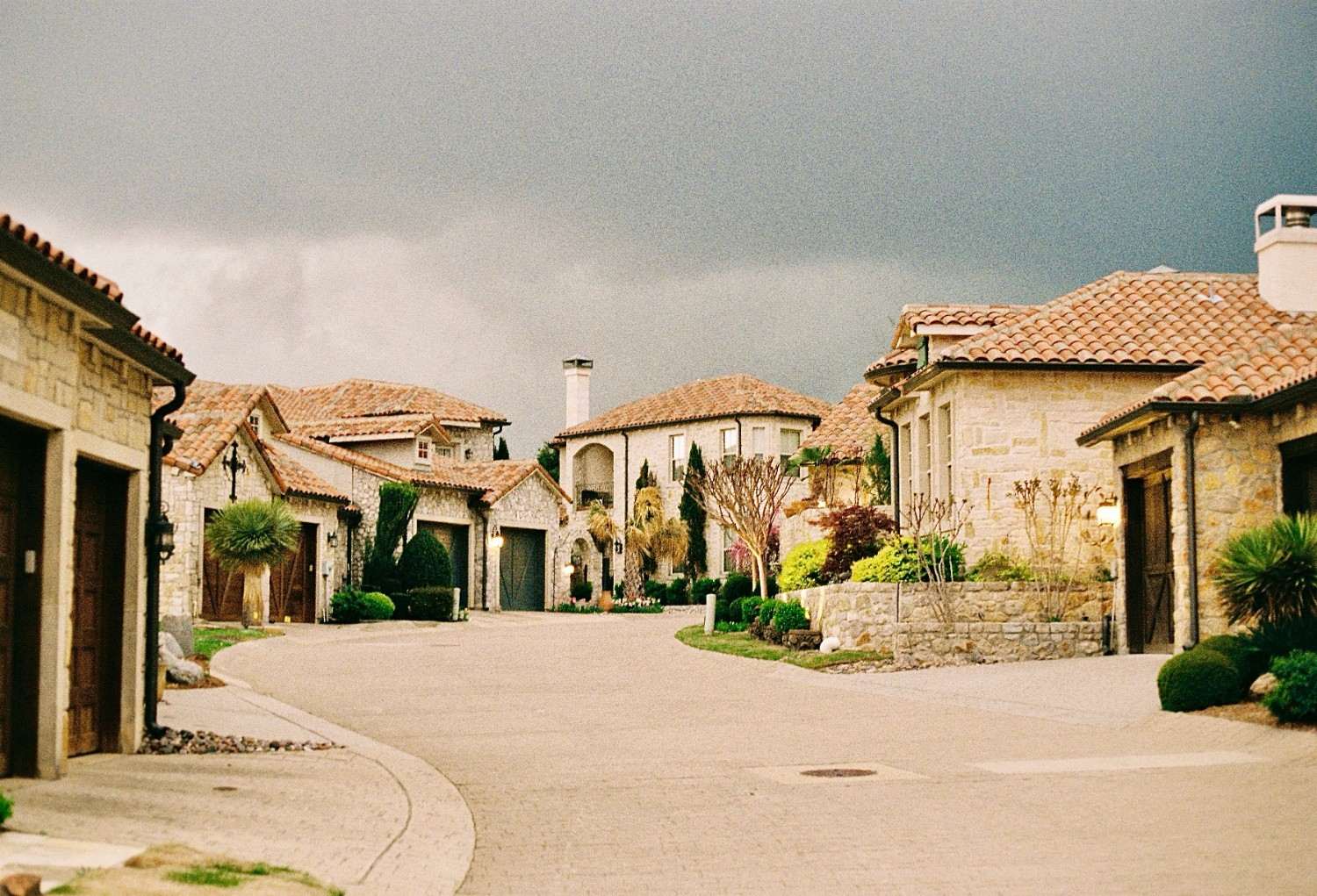

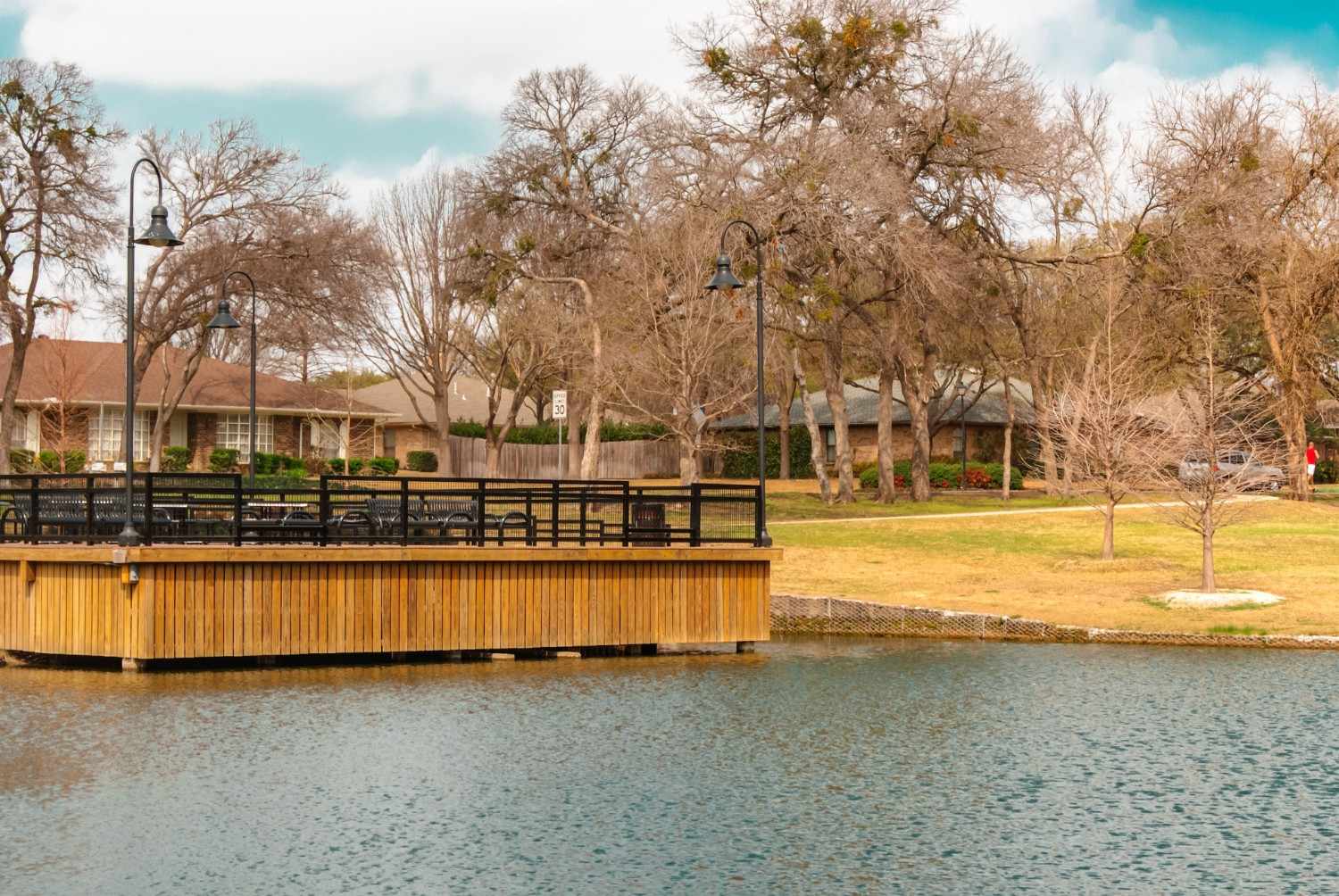
Why Boards Choose WRMC
Long client relationships come down to one habit: treat an association like the community it actually is, not a line on a spreadsheet.
A Richardson association needs a partner who understands this specific market rather than treating it as one generic slice of DFW. Working across the Dallas-Fort Worth metro means real depth in Texas HOA law, plus resources sized for what a Richardson community actually needs rather than a package built for somewhere else. We measure success by how well each community gets served, not by the length of a client list.
It doesn’t matter if your board runs a condo association near City Line or a master-planned neighborhood built around a golf course. We want to understand what you’re actually dealing with and where the community needs to land in five years. That’s Stewardship by WRMC in practice for boards here, whether your community is a townhome development off Belt Line Road or something else entirely.
Request a Proposal to get started.
DEDICATED STEWARDS TO COMMUNITIES
At WRMC, we blend a boutique firm’s personalized service with an industry leader’s strengths and resources. We’re here to support you, build community, deliver dedicated stewardship, and ensure every detail is managed effectively. At WRMC, community isn’t just what we manage; it’s what we create and nurture.